
Stroke Awareness: recognising the signs
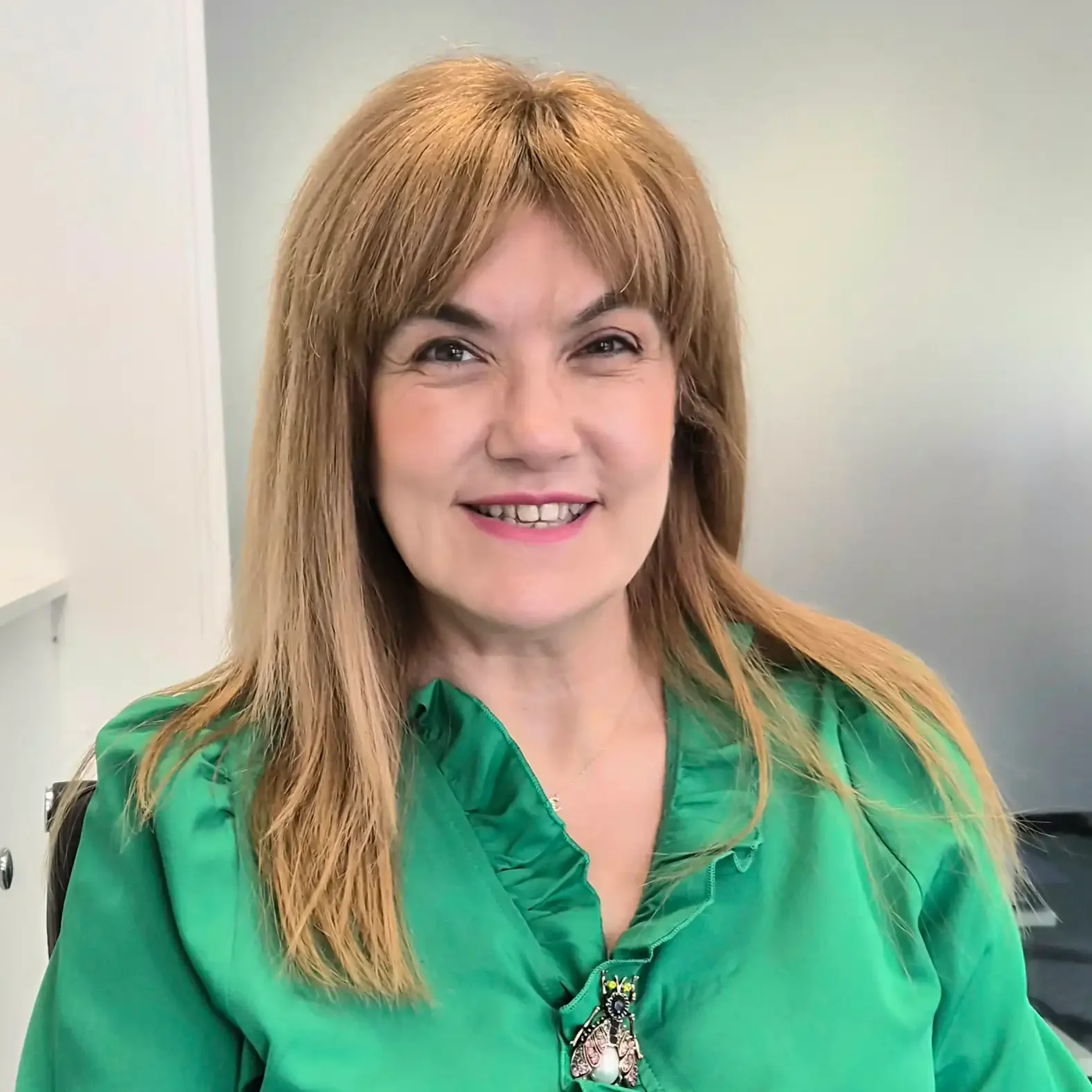
To mark World Stroke Day, we sat down with our Registered Manager, Lina Pazou, to share more information on how we support individuals and families navigating life after a stroke.
“A stroke can happen in an instant, but recovery is a journey,” explains Lina. “When a loved one returns home from the hospital, having trained, compassionate carers who understand their unique needs gives both the individual and their family total peace of mind.”
Below, Lina shares key insights into recognising stroke warning signs, navigating post-hospital care, and how tailored home care helps stroke survivors rebuild confidence and independence in familiar surroundings.
What is a stroke?
A stroke occurs when the blood supply to part of the brain is restricted or cut off, either due to a blockage (ischaemic stroke) or a burst blood vessel (haemorrhagic stroke). Deprived of vital oxygen and nutrients, brain cells begin to suffer damage within minutes.
Because the brain controls every function of our body and mind, the effects of a stroke vary widely from person to person:
Physical challenges
Such as weakness, numbness, or paralysis down one side of the body.
Communication & cognitive changes
Including speech difficulties (aphasia), memory loss, reduced concentration, or confusion.
Emotional impact
Many people experience anxiety, low mood, frustration, or emotional fatigue.
Recovery looks different for everyone, often transitioning from emergency hospital treatment to rehabilitation and long-term home care support.
Recognising the signs: remember FAST
Raising stroke awareness saves lives. If you suspect someone is having a stroke, taking quick action drastically reduces brain damage and improves long-term recovery outcomes.
Always remember the FAST test:
- F – Face: Has one side of their face dropped? Can they smile normally?
- A – Arms: Can they raise both arms and keep them up, or does one arm drift downward?
- S – Speech: Is their speech slurred, garbled, or hard to understand?
- T – Time: If you notice any of these signs, call 999 immediately.
Other possible symptoms include sudden loss of vision, weakness or numbness, dizziness, loss of balance, confusion or a sudden severe headache.
Do not wait to see whether the symptoms improve. Even if they disappear after a short time, they could indicate a transient ischaemic attack (TIA), sometimes called a mini-stroke, which also requires urgent medical assessment.
Understanding the scale of stroke recovery in the UK
According to statistics published by the Stroke Association, there are currently over 1.3 to 1.4 million stroke survivors living in the UK, with around 100,000 strokes occurring every year. That is one stroke every five minutes.
Crucially, research shows that almost two-thirds (65%) of stroke survivors leave the hospital with a disability or ongoing support needs, and many families report feeling unprepared for the transition home.
“These numbers highlight why tailored, community-based care is so critical,” notes Lina. “Hospital care gets you through the immediate medical emergency, but dedicated, long-term home care is what helps you rebuild your everyday life and independence.”
The path to recovery at home
Returning home from the hospital is a major milestone, but it often brings new challenges. Everyday tasks, such as dressing, preparing meals, managing medication, or moving safely around the house can suddenly feel overwhelming.
Rehabilitation typically involves physical therapy, occupational therapy, and speech and language therapy. However, therapy sessions are only part of the equation; consistent, daily support at home is vital to reinforce therapy goals and keep your loved one safe.
How professional home carers support recovery
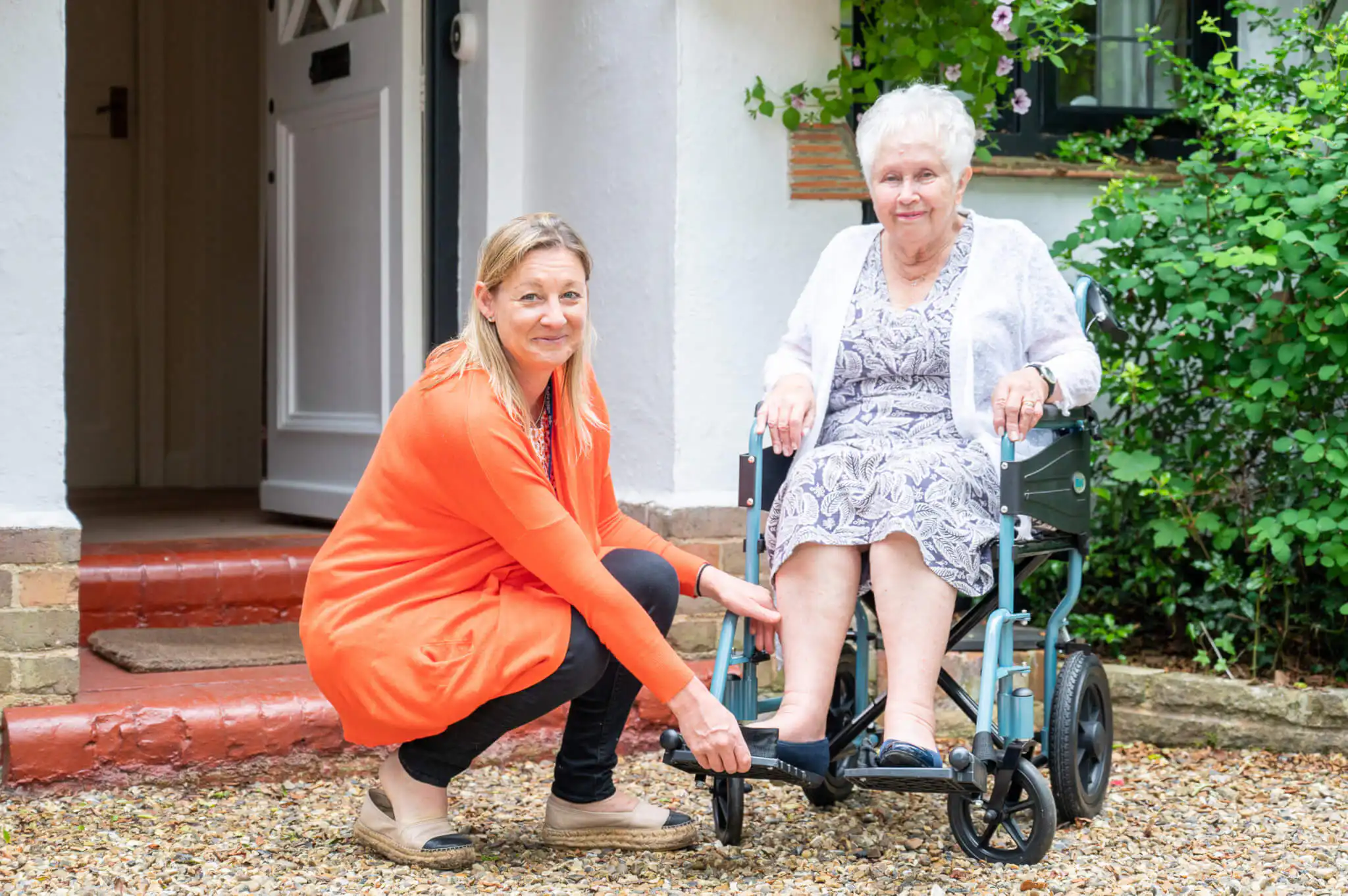
Choosing professional, trained carers for after-stroke care ensures that your loved one receives tailored support while retaining their autonomy and dignity. At Ashridge Home Care, our trained carers support post-stroke clients with:
- Gentle assistance with bathing, dressing, and personal hygiene tailored to mobility levels.
- Safe assistance with moving around the home, adhering strictly to occupational therapy guidance and specialist equipment instructions.
- Preparing nutritious meals and monitoring fluid intake, following specialist recommendations for those with swallowing difficulties (dysphagia).
- Timely reminders and administration support in full accordance with prescribed care plans.
- Reassurance, empathetic conversation, and active encouragement through the emotional highs and lows of recovery.
- Empowering individuals to perform tasks they can safely do themselves, rather than taking over unnecessarily.
- Closely monitoring health changes, documenting progress, and escalating concerns promptly to healthcare professionals.
Supporting families
A stroke impacts the whole family. Many relatives find themselves balancing full-time jobs, children, and complex care responsibilities, leading to stress and caregiver burnout.
Reliable home care offers families peace of mind. Knowing a skilled, compassionate carer is managing daily safety, nutrition, and personal care allows family members to focus on quality time and emotional connection with their loved one.
Dedicated after-stroke care at Ashridge Home Care
At Ashridge Home Care, our goal is simple: to help stroke survivors live fulfilling, independent lives in the place they love most, their own home. Depending on your requirements and family circumstances, we can provide flexible hourly care visits, short-term respite care, or full-time 24/7 live-in care.
We ensure care plans are strictly individualised, adapting as recovery progresses. Our carers are fully trained to follow professional guidance, recognise subtle health changes, and act swiftly when extra clinical support is needed.
Speak to our experienced care team today
If you or a family member are looking for compassionate, professional after-stroke home care, our team is here to help.
Call 01494 917 344 to discuss your tailored home care options.