


For many people, accepting care feels deeply personal. Discussions around changes in your health, independence or family circumstances are something many would rather keep private. For individuals with demanding careers, significant responsibilities, prominent public profiles or complex family arrangements, discretion is particularly important. Premium home care is designed for people looking for that type of discreet support.
Premium home care is personalised support provided in your own home, tailored to your health, routines, preferences and privacy. Our discreet, personalised care can involve regular visits from a trained carer or the reassurance of 24-hour live-in support. Whatever form it takes you can be assured that this is an exceptional premium care service.
At Ashridge Home Care, our fully managed live-in and visiting care services are tailored for each individual. As an owner-led, people-first organisation, we provide direct, practical guidance and carefully coordinated support rather than a standardised care package.
We offer bespoke care packages to meet a wide range of needs. Our experience with high profile clients means we understand how important confidentiality is. We are experienced in liaising with different parties involved in a client’s care package including assistants, deputies and private medical staff.
This guide explains what this type of bespoke home care can involve, who it may suit and how to create a discreet, dependable care arrangement for yourself or someone close to you.
Contents
What is premium home care?
What does a private care arrangement look like?
What kind of support does private care at home cover?
Why privacy and discretion matter in care
Who might benefit from premium live-in care?
Building a private care team around your needs
Who can make decisions about care at home?
How to arrange discreet private care
Frequently asked questions about premium care at home
What is premium home care?
Premium home care is a highly personalised form of private care delivered in an individual’s own home. It’s about receiving thoughtful support from trained professionals who understand when to help, when to step back and how to fit care around someone’s way of living. It’s about choice, continuity and dedicated personal attention.

In practice, bespoke private care typically follows one of two paths:
Visiting Care
A professional carer visits your home at specific times. This could be daily, weekly or around specific life events that require extra support.
Live-in care
The trained carer lives in the family home with you. They are around to provide support and care throughout the day.
The defining feature for both is the exceptional quality of the service, the attention given to personal preferences and the way support is integrated into the individual’s life in a discreet way that maintains family privacy.
What does a private care arrangement look like?
Private care can cover many different aspects of your life, and it’s always important to carefully consider what you or your loved one might need help with. The goal is to have a flexible plan, coordinated with doctors and other professionals, considerate of wider family needs and discretion.
A bespoke private care arrangement plan can cover:
- The specific tasks you need help with
- Details of the professional, vetted carers
- Information on continuity of care
- Any confidentiality rules and clauses
- Communication preferences and contact details
For some people, VIP care services may focus mainly on companionship, mobility support and household routines. For others, it may form part of a more complex arrangement involving long-term health conditions, mental health needs, recovery after treatment or concerns about mental capacity.
Our bespoke care services always begin with an honest assessment. A premium care arrangement is not a collection of superficial extras. It is a carefully considered plan that reflects an individual’s health, personality, home and priorities.
Need care advice?
Talk to an expert to discuss your options
What kind of support does private care at home cover?
A tailored care service isn’t just for the moments where you might have an illness, or you’re physically unable to care for yourselves. Care at home can cover many things, and you don’t need to wait until you’re unable to do things before you seek help.
Professionally trained carers can help with:
- Washing, dressing and personal care
- Preparing meals and looking after nutritional needs
- Mobility and support in movement, such as help during appointment visits
- Medication routines and help after hospital discharge or illness
- Shopping and light household tasks
- Companionship and social activities
- Communication with relatives and health professionals
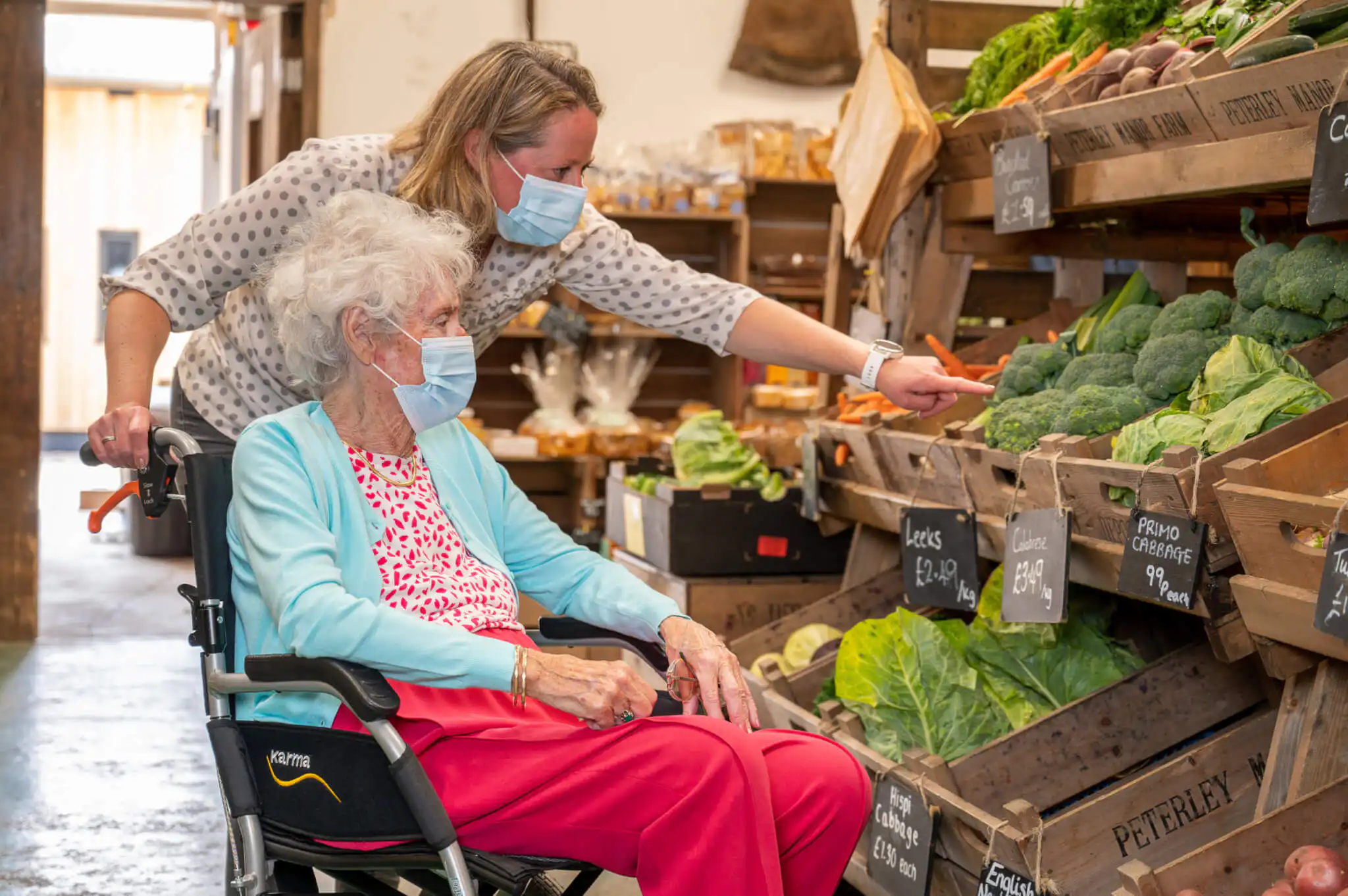
Having a carer dedicated to your needs and wishes might simply mean extra help around the garden to ensure your precious flowers are tended or so that you can safely navigate the evening bath routine. You might wish for companionship to support you on visits to concerts or galleries, or to social events.
With a VIP care arrangement, the level of help can also change over time as needs evolve. Someone may begin with companionship and practical assistance, then require more support as their mobility or health changes.

Independence does not mean doing everything without help. For many people, it means retaining control over the things that make life feel like their own. Care at home can preserve personal choice over: These moments of support are not minor additions to care. They are often central to physical health and emotional wellbeing. This wider impact is reflected in England’s Adult Social Care Survey in which more than nine in ten respondents said care and support services helped them enjoy a better quality of life. The right support can, therefore, be about much more than physical safety and managing health conditions. It can help preserve confidence, social connections and enjoyment of everyday activities. Premium care often involves access to personal health information, family conversations and the most intimate parts of daily life. For some individuals, confidentiality may also protect professional responsibilities, commercial interests, family relationships or a public reputation, so privacy should be considered from the outset. A discreet care service should understand and balance all three. The building blocks of high-quality premium care include: One of the main fears around care is the lack of continuity and familiarity of carers. Premium home care is different, and the goal is to limit the number of people entering your home. You’ll receive a professional care team built around one or a small number of carers, not a faceless team of people. This allows carers to understand your routines and preferences. While cover will sometimes be needed, thoughtful planning keeps the care team small, consistent and sensitively introduced. With compassion and a commitment to dignity, personalised support transforms lives and brings peace of mind to families. Our carers create an environment where those in our care feel valued and respected. A clear communication plan sets out who amongst family and professionals may receive updates, how often information should be shared and which matters need urgent attention. Where the person has capacity, their wishes must remain central. Professional, trained carers should maintain confidentiality, avoid inappropriate involvement in financial or family matters and raise concerns through the correct channels. Privacy must always sit alongside safeguarding duties, medical emergencies and the individual’s safety. Tailored live-in care services are suitable for: Some people continue to work, manage an estate, oversee a business or fulfil public and charitable responsibilities while living with a health condition. A discreet, trained carer can help ensure these commitments aren’t interrupted or jeopardised. A professional carer can help with getting ready for work or mobility during travel. The care team can coordinate with a personal assistant, house management team or family office where appropriate and with your permission. You or your loved one can continue to live a busy and fulfilling public or professional life even with challenging health conditions. An accident, hospital admission, diagnosis or mental health crisis can change a family’s circumstances quickly. Relatives may suddenly need to make decisions about support, safety and living arrangements while also managing their own emotions. Specialist care at home can provide stability during this transition. It may allow someone to leave hospital safely and recover in familiar surroundings. Some adults with learning disabilities benefit from support that helps them live safely and meaningfully at home. Our specialist care service focuses on the person’s strengths, preferences and ability to make choices. Support may involve communication, daily routines, social activities, appointments, meal preparation or maintaining relationships with family and friends. Some families seek support because a relative’s situation has become difficult to manage openly or safely. There may be concerns about mental health, alcohol or drug use, self-neglect, cognitive change or a combination of physical and emotional needs. These conversations require deep compassion. A person should never be reduced to a diagnosis, addiction or episode of illness. Discreet, private home care can help support a specialist clinical treatment plan and provide comfort and safety for both the individual and the wider family. Depending on the person’s needs, the wider team might include: While not everyone needs all of these experts, collaboration between different teams can help daily life run as normally as possible. The right expertise can make a big difference in quality of life, and a good home care team can connect you with other quality services. The right expertise can make all the difference to quality of lifeHow premium live-in care can protect independence
Want to know more about premium care in your home?
Why privacy and discretion matter in care
What does privacy, confidentiality and safeguarding mean in the care context?
A carefully managed and vetted circle of carers
Agreed communication styles
Clear, professional boundaries
Who might benefit from premium live-in care?
Premium live-in care can suit many different circumstances. Care shouldn’t be considered only for people who may need intensive physical assistance. It can also offer practical help and companionship throughout the day – both in and out of the home. It adds that extra bit of reassurance to you or your loved one’s days.
People with a demanding or public life
Families facing a sudden change
Adults with learning disabilities
Sensitive and complex circumstances
Building a private care team around your needs
Bespoke complex care rarely depends on one person alone. An individual may already have a trusted GP, consultant, physiotherapist or therapist. A well-managed care service complements this network rather than competes with it.

Who can make decisions about care at home?
Each adult should decide when the time is right to add private home care to their daily lives. These are issues that families and couples should always discuss together. However, sometimes questions about care arise alongside concerns about mental capacity.
A person may make decisions that their family dislikes or considers unwise. This does not necessarily mean that they lack capacity.
Under the legal framework in England and Wales, mental capacity relates to a specific decision at the time it needs to be made. A person may be able to make some decisions, but not others, and their capacity may fluctuate. Official guidance also starts from the principle that a person should be assumed able to make their own decisions unless it is established otherwise.
This matters in home care because decisions can range from everyday preferences to significant questions about treatment, residence or finances.
Where possible, carers and family members should support the individual to participate in decision-making. That may involve explaining information more clearly, choosing a better time of day or presenting a limited number of easily understandable options.
What is a Court of Protection deputy?
A Court of Protection deputy is someone authorised by the court to make certain decisions for a person who lacks the mental capacity to make those particular decisions themselves. A deputy may be a relative, friend or professional, such as a solicitor.
There are two main types of deputyship:
- Property and financial affairs, which may cover matters such as bills, property and managing money, and
- Personal welfare, which may cover certain decisions about care or living arrangements. Personal welfare deputies are appointed less commonly.
A deputy can only make decisions permitted by their court order. They must act in the person’s best interests, consider their wishes and support them to participate in decisions wherever possible. Deputies are supervised by the Office of the Public Guardian and usually have reporting responsibilities.
A deputy can only make decisions permitted by their court order.
When arranging home care, the care company should check whether a deputy has authority to make the relevant decision and who may receive confidential information. Specialist legal advice may be needed if responsibilities are disputed or unclear.
How to arrange discreet private care
High-quality care should never begin with any assumptions. At Ashridge Home Care, a structured process helps us understand the individual, identify any potential risks and create a well-considered care plan from the outset.
1. A confidential initial conversation
The first discussion may take place with the individual, a relative, an attorney, a case manager or another authorised representative.
It will explore:
- What has prompted the enquiry
- What support is needed now
- Any immediate risks
- The individual’s wishes
- Who is involved in decisions
- Whether other professionals are already providing support
This conversation is aimed at identifying all relevant information and families will never be pressured into making an immediate commitment.
2. A detailed care assessment
An experienced professional will assess the person’s needs and home environment.
This may cover:
- Personal care, medication, nutritional needs and mobility
- Cognition, mental health and communication preferences
- Social needs and household routines
- Safety and emergency planning
- The accommodation available for a live-in carer
- Existing clinical recommendations
The assessment also asks what a good day looks like for the person. Care is not only about managing risk. It should help someone continue living with purpose and enjoyment.
3. Clear authority and communication
We will establish who has legal authority, where relevant, and who may receive information. This is particularly important in families where several relatives, advisers or professionals have an interest in the person’s welfare. Clear communication can prevent confusion and protect the individual’s privacy.
4. A bespoke care plan
Our bespoke care plan will translate the assessment into a daily support routine.
It may describe:
- Morning and evening routines
- Personal care preferences
- Medication support
- Mobility assistance
- Meals
- Appointments
- Meaningful activities
- Household boundaries
- Risks and warning signs
- Communication arrangements
- Emergency procedures
- The involvement of other professionals
The plan should remain practical and readable. A carer needs to understand not only what to do, but how the individual prefers it to be done.
5. Carer selection and introduction
We will then identify carers with the right training, experience and personality. The introduction will allow the individual and family to ask questions and develop confidence in the proposed match. Where the situation is urgent, this process may need to move quickly, but our professional standards will never be compromised.
6. Coordination with the wider team
With appropriate permission, we will communicate with GPs, therapists, nurses, case managers, attorneys or other relevant people. This helps reduce gaps and contradictions in the overall plan.
7. Regular review
Care needs can change over time so we undertake regular reviews to assess what is working, respond to new concerns and adjust the level of support.
A review may be needed sooner if there is:
- A fall or noticeable decline in mobility
- A hospital admission or changes to medication
- Increased confusion or behavioural and mood changes
- A family concern
- A change of carer
- A new professional recommendation
Our tailored care management plans anticipate problems rather than waiting for a crisis.
Frequently asked questions about premium care at home
Professional care providers such as Ashridge Home Care, handle personal information sensitively and only share it with authorised people. However, we will always take into account any safeguarding concern, medical emergency or legal duty to disclose information.
Yes. Subject to the individual’s care plan and mobility needs, a private carer may provide discreet support at appointments, family occasions, cultural events, business engagements or private functions, helping the person participate safely and confidently.
Look for a fully managed provider with trained, vetted carers, detailed assessments and careful matching. Ask how the service manages confidentiality, emergencies, carer cover and changing needs, as well as who will oversee the care once it begins.
Why families choose Ashridge Home Care
Ashridge Home Care provides fully managed live-in care and visiting care. We are an owner-led, people-first organisation and fully regulated by the Care Quality Commission (CQC). Our clients and their families speak with real, experienced people who take responsibility for helping them find the right solution.
Our approach includes:
- Bespoke care plans centred on the individual
- Professional, carefully vetted carers
- Ongoing training and development
- Thoughtful carer matching
- Experienced management and oversight
- Practical coordination with wider support teams
- Clear, honest communication
- Regular reviews as needs change
- A genuine respect for the home and the life lived within it
We understand that arranging care is emotional, particularly when the circumstances are private or complex. Our role is to listen carefully, offer clear guidance and create a service that we would be comfortable arranging for our own families. We focus on relationships, consistency and solving problems before they become crises.
Need advice about care?
Arrange a meeting with one of our team of care experts to discuss your specific care needs.
Home care without surrendering privacy or control
Needing care does not have to mean giving up the life you’ve built. With careful planning, professional support can be introduced discreetly and respectfully. A live-in carer can provide reassurance, practical help and companionship while allowing the individual to remain in familiar surroundings.
This may mean coordinating support around a sensitive mental health condition, a complex recovery or concerns about capacity. In every case, the service is discreet and highly personal.
Premium home care’s real value lies in having choice, continuity, expertise and time. It means knowing that a trained professional is present and that an experienced team remains available behind them. Most importantly, it means receiving care without losing the comfort, identity and privacy of home.
If you are considering premium home care for yourself, a relative or someone whose affairs you help manage, Ashridge Home Care can arrange a confidential initial conversation. We will listen to the circumstances, explain the available options and offer honest guidance about what will work best.

More Similar Posts

The Importance of a Holistic Approach to End of Life Care

Working in a Care Home vs Being a Home Carer

Care Options for Couples: Celebrating Valentine’s Day

Dementia in the BAME community: How home care can help
Caring for an elderly loved one with limited mobility .. when to seek care support.