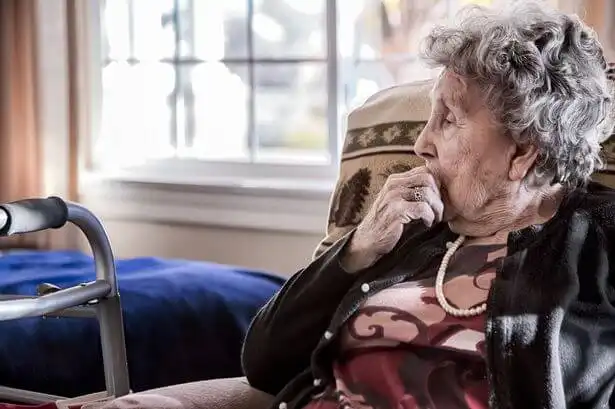


It’s not unusual to experience loneliness at some point in our lives. There are many reasons to feel lonely and sometimes it can be just a temporary feeling. We can, for instance, feel lonely after moving to a new area where we don’t know many people, or maybe friends and family who used to live nearby have now moved away. We may have lost someone we love, or are just going through a period when we have lost touch with old friends.
Many of these sorts of events happen more often as we get older because of retirement, bereavement, loss of mobility or a decline in health which can, unfortunately, result in feelings of isolation and loneliness. Age UK reports that almost a million people in the UK aged 65+ describe themselves as often lonely – a truly sobering statistic. The same charity also estimates that for over a quarter of a million older people in England it is not uncommon to go a whole week without speaking to anyone.
For many people, these feelings are temporary but when loneliness becomes embedded into a daily life, it will affect much more than someone’s social life. Long-term loneliness has been linked, not surprisingly, with depression and anxiety, but also with poorer physical health so loneliness is not about mental wellbeing but also physical wellbeing. Understanding why someone feels lonely, recognising the signs and then finding the right ways to support them in overcoming their situation can make all the difference to long-term health. The solutions might seem obvious on paper: reconnecting with old friends, taking up a new hobby, receiving a little help to get out of the house but older people are likely to need support to do these things.
Contents
What is loneliness?
Why loneliness becomes more common in later life
How loneliness affects mental and emotional health
How can loneliness affect physical health?
Where can older people get help with loneliness?
Can companionship and care at home help with loneliness?
Frequently asked questions about loneliness
What is loneliness?
Loneliness is a personal feeling of being disconnected from other people or feeling that our relationships do not provide the connection we need. It’s important to understand that being lonely and being alone are not the same. You can be perfectly content spending extended periods of time by yourself but, conversely, you can feel lonely while surrounded by family and friends.

It’s the quality of your connections and relationships that matter, not how many people you see or how often you see them.
For example, someone may regularly see neighbours and shop assistants but miss having a close friend with whom they can have a meaningful conversation. An older person who has lost their husband, wife or partner may be surrounded by friends, children or grandchildren but still feel the absence of the one relationship that formed such an important part of their everyday life.
Understanding what someone is actually missing matters because the answer to loneliness is not always simply seeing more people. There are different types of loneliness:
- Emotional loneliness – missing a close emotional attachment
- Social loneliness – lacking friends or people who share our interests
- Existential loneliness – feeling alone even in a room full of people.
Why loneliness becomes more common in later life
Ageing itself does not make someone lonely. However, certain changes more likely to happen in later life can make it harder to maintain relationships and social routines.
Bereavement
Bereavement can happen at any stage, but naturally as you age, you may experience it much more often. The death of your spouse or partner can be especially difficult at this stage. After decades of sharing everyday life with another person, the sudden change in routine can be devastating. Shared mealtimes, shopping trips, and watching the TV in the evening can disappear and be hard to replace. As you age, siblings or friends your age may also become unwell or pass away, gradually shrinking your long-established social circle.
Retirement
Although retirement is often a welcomed event in terms of newfound freedom, our workplaces are also sources of social contact and routine. When working life comes to an end, you may find yourself spending more time alone. The change can be particularly noticeable for people whose identity, friendships and sense of purpose were closely connected with their working life.
Reduced mobility or poor health
Health conditions, frailty or changes to mobility can gradually make socialising more difficult. You may become less confident about going outside because you fear falling. Driving might be ruled out, or you may simply experience more fatigue than before. A social activity that once required very little thought can suddenly need significant planning. Also, long periods of illness or a hospital stay can disrupt established routines and by the time someone feels physically better, they may have lost confidence about going out again.
Hearing or sight loss
Changes to hearing and vision can be particularly isolating. Social events can become more tiring and less enjoyable because it is hard to hear or see things. Someone who struggles to follow conversations in a busy room may gradually start turning down invitations. They might appear uninterested in socialising when, in reality, they feel embarrassed about repeatedly asking people to speak up.
Family living further away
Modern families often live in different parts of the country or even different countries. Children and grandchildren may care deeply and stay in touch regularly. Still, telephone calls cannot always replace sharing everyday moments in person.
Becoming a care-giver
Older people can themselves become isolated while caring for a partner or other loved one. Caring responsibilities may make it difficult to leave the house or maintain existing friendships. Age UK estimates that 19% of carers aged 65 and over have felt lonely because of the care or support they provide.
Often, several of these changes happen together. As a result, loneliness can develop gradually. There may never be one moment when somebody suddenly thinks, “I’m lonely”. Their world simply becomes a little smaller over time.
How loneliness affects mental and emotional health
Loneliness has a significant emotional impact. Long-term loneliness has been associated with low mood, depression, anxiety and poorer overall wellbeing. There are two specific ways in which loneliness can impact emotional health.
- Loss of confidence: If you stop spending much time with others or attending social situations, you may feel less confident when those moments finally arrive. You may start worrying about what to say or feel like you don’t belong.
- Loss of purpose: Especially if you experience the loss of a loved one, loneliness can lead to a loss of purpose. This can also happen to some people when they retire – no longer have the structure of work can make you question your sense of belonging and identity. This can make you feel even more down.
That is why tackling loneliness shouldn’t only mean providing someone with company. Helping someone rediscover things they enjoy, relationships that matter to them, and ways to contribute to others’ lives can be just as valuable.
Need care advice?
Talk to an expert to discuss your options
How can loneliness affect physical health?
Loneliness doesn’t just impact one’s mood. Research has found links between persistent loneliness, social isolation and poorer physical health. For example, research from the Universities of York, Liverpool and Newcastle published in the journal Heart and cited by the British Heart Foundation (BHF) links loneliness and poor social relationships with a 29% increased risk of developing coronary heart disease and a 32% increased risk of stroke. Loneliness has also been associated with increased frailty and a higher risk of dementia.
Loneliness affects our everyday habits, which can change our physical health. For example, someone who feels lonely may become less motivated to leave the house. As they go out less often, they may walk less, which in turn makes their physical health deteriorate faster or further. As their physical health worsens, they may start eating less (or more), sleeping poorly, and this leads to a loss of confidence, making leaving the house harder.
In this way, loneliness can become part of a self-perpetuating cycle that’s hard to break. Yet breaking that cycle does not necessarily require dramatic change. Sometimes one regular outing, a little support with mobility or having someone to accompany the person can provide a starting point.

What are the signs an older person may be lonely?
People do not always say when they are lonely. Some may not recognise the feeling themselves. Others may feel embarrassed about admitting it or worry that their family will think they are no longer coping.
No single sign proves somebody is lonely. However, certain signs and changes in behaviour can sometimes provide clues.
You might notice that they:
- Seem quieter or more withdrawn than usual
- Stop doing hobbies they once enjoyed
- Begin turning down invitations
- Spend considerably more time at home
- Lose confidence about going out alone
- Stop cooking proper meals for themselves
- Take less interest in their appearance
- Struggle to sleep or change their sleeping routine
- Become less interested in maintaining the home
- Frequently mention people they have lost
- Seem particularly reluctant for visitors to leave
- Spend much longer talking when somebody calls
Signs such as these can indicated that someone is lonely but there can also be other reasons behind them. When we notice a change in behaviour in our loved ones, it’s worth considering other possible explanations, such as physical health problems, depression, medication side effects. The important thing is to notice the change and then start to try to identify the cause.
Want to know more about care in your own home?
How to talk to a loved one about loneliness
If you are worried that your Mum or Dad, partner or friend may be lonely, don’t dive in with suggested solutions – you need, instead, to clearly show support. What you don’t want is for them to somehow feel you are being critical.
One way to show support is to ask things like:
- “How have your days been lately?”
- “Are you seeing as much of people as you’d like?”
- “Is there anything you miss doing?”
- “Would you like a bit more company during the week?”
Then give them time to answer. Remember that some people are happy with their own company so don’t make any assumptions – everyone is different. Equally, the person might open up about missing doing things they used to be able to do giving you the opportunity to think about other options.
There may be no immediate solution but by listening you can start to better understand their loneliness. You can also reassure your loved one that talking about the issue can be the first step to finding ways to make their life more enjoyable – while respecting their preferences and choices.
How to ease loneliness in later life
Everyone is different so there is no one right answer to tackling loneliness. If someone is grieving, for example, then their feelings of loneliness may be temporary. The support a bereaved person needs is not the same as someone whose has developed a life-limiting condition. Therefore, you need to take into account the person’s particular situation alongside their interests and personality. Only then can you start to make small, achievable changes to their lives that can alleviate their loneliness.
Here are some potential solutions that might make a difference:
Get back in touch with old friends
Easing loneliness doesn’t necessarily mean you have to make new friends. Why not send a card to old friends telling them your news or, better still, phone them if you are able. This might just be enough to re-kindle a relationship that could benefit both parties.
Create a routine so there is something to look forward to
Having something in the diary – even just for an hour or two each week – can help give the week structure. It doesn’t need to be anything major. It could be as simple as a weekly visit to a community centre, library or café – the important thing is it provides anticipation and routine to a life where they are lacking.
Take up new activities
Taking up a new activity may be easier said than done and is not on it’s own a solution to loneliness. Nevertheless, try and identify activities that you would enjoy doing – or maybe used to do in the past. Don’t worry if the activities you enjoy are solo activities because easing loneliness doesn’t have to mean spending more time with other people. It can equally be about doing more of what makes you happy.
Volunteering helps you and helps other
Helping other people through some form of volunteering creates a genuine purpose in anybody’s life, no matter what your age. And that purpose can help you combat loneliness. There are any number of ways to volunteer your time such as helping out in a charity shop. For others it could mean using your professional skills to help out at a local organisation.
Learn to use technology
Local community groups and charities such as Age UK often run courses helping older people learn to use technology. Alternatively, a friend or family member might be able to help. Once you are more familiar with making, for example, video calls, it can open up a whole new world of communicating with friends and family who don’t live nearby.
Leave the house whenever possible
There’s a reason for the old saying “a change is as good as a rest”. A change of environment makes a huge difference to your mood – whatever your age. It can be as simple as visiting a garden centre, having a coffee in a local café or attending church but these simple activities can provide a chance to interact with other people or even just to watch the world go by.
How can families help an older person who is lonely?
Helping a loved one feel less lonely does not necessarily mean being the sole source of companionship. There are other ways to help, such as:
- Build a support network. Encourage friends and family members to keep in touch more often. Young grandchildren can also get involved by sending short voice messages. They could talk about what they have been doing at school or what sports and activities they have been enjoying.
- Make contact on a regular basis. If the older person knows they have a phone call or visit to look forward to that can brighten their whole day.
- Identify health conditions contributing to loneliness. Check whether your Mum, Dad, spouse or partner is experiencing any difficulties with mobility, hearing or vision. They may try to hide any deterioration in their health so it’s important to emphasise the advantages of finding the appropriate solutions. Whilst there may be no solution for some conditions there are often simple solutions to others, such as a hearing aid.
Above all, involve the person in decisions. Loneliness is deeply personal and what sounds appealing to one person may sound unbearable to another. Support should expand someone’s choices, not take control away from them.
Support for loneliness should expand someone’s choices, not take control away from them.

Where can older people get help with loneliness?
If you are experiencing loneliness or are worried about somebody else, there are many places to look for support.
Speak to your GP
If loneliness is accompanied by persistent low mood, anxiety, changes in sleep, loss of appetite or other concerns about physical or mental health, speak to a GP. A GP may also be able to refer someone to a social prescribing link worker, who can help them find suitable activities and support within their local community.
Look locally
Local libraries, community centres, councils, churches and other faith groups often run activities specifically for older people. These could include exercise classes, lunch clubs, hobby groups, coffee mornings and community transport schemes. Your GP or council can help direct you to different local groups.
Consider a befriending service
Befriending schemes can provide regular contact for people who spend considerable amounts of time alone. Organisations like Age UK offer friendship services, while some local Age UK organisations provide face-to-face befriending and other local support.
Contact The Silver Line
The Silver Line Helpline, run by Age UK, provides free and confidential friendship, conversation and support for people aged 55 and over. It is available 24 hours a day, 365 days a year on 0800 470 8090.
Can companionship and care at home help with loneliness?
Sometimes loneliness is closely linked with the practical challenges of living independently. Someone may want to see friends but no longer feel safe travelling alone. They might have stopped walking locally because they worry about falling, or stopped preparing proper meals because cooking for one feels difficult.
Professional home care can provide practical support while also bringing regular human contact into everyday life.
A trained, professional carer can help someone continue doing the things that matter to them. This might include going for a walk, visiting a friend, attending a local group, shopping, gardening, preparing meals together or simply enjoying conversation over a cup of tea.
With live-in care, a professional carer stays in the person’s home, meaning support can become part of everyday life rather than being limited to a scheduled visit.
Good companionship is not about keeping somebody occupied every minute of the day. Nor should a carer replace relationships with family and friends. Instead, the right support can help somebody maintain their independence, confidence, routines and connection with the wider world.
Frequently asked questions about loneliness in later life
No, loneliness is not a normal part of ageing. Loneliness can affect people of every age and getting older does not automatically make somebody lonely. However, certain experiences that can lead to feelings of loneliness become common later in life, including retirement, reduced mobility, health problems and bereavement. These can make it harder to maintain relationships and social routines, increasing feelings of loneliness.
Social isolation generally describes having relatively little contact with other people, while loneliness describes how somebody feels about their relationships and connections. The two can overlap, but they are not the same. Someone can live alone and feel perfectly content, while another person can regularly see family and friends but still feel lonely.
Yes. Loneliness is not simply about whether another person is physically present. Someone caring for a partner with dementia, for example, might rarely be physically alone but miss the conversations and shared relationship they once had.
Why families choose Ashridge Home Care
Ashridge Home Care provides fully managed live-in care and visiting care. We are an owner-led, people-first organisation and fully regulated by the Care Quality Commission (CQC). Our clients and their families speak with real, experienced people who take responsibility for helping them find the right solution.
Our approach includes:
- Bespoke care plans centred on the individual
- Professional, carefully vetted carers
- Ongoing training and development
- Thoughtful carer matching
- Experienced management and oversight
- Practical coordination with wider support teams
- Clear, honest communication
- Regular reviews as needs change
- A genuine respect for the home and the life lived within it
We understand that arranging care is emotional, particularly when the circumstances are private or complex. Our role is to listen carefully, offer clear guidance and create a service that we would be comfortable arranging for our own families. We focus on relationships, consistency and solving problems before they become crises.
Need advice about care?
Arrange a meeting with one of our team of care experts to discuss your care needs.

More Similar Posts
What’s the Difference Between Live-In Care & 24-Hour Care?
6 Signs of Loneliness in Elderly Parents and How to Help

Why Is It Important to Invest in Learning & Development for Carers?
How to pay for respite care
Moving From a Care Home to Live-In Home Care