
In 1817, James Parkinson published his Essay on the Shaking Palsy, recognising Parkinson’s Disease as a medical condition for the first time. Today, Parkinson’s Disease is known as a progressive condition that affects not only movement, but also memory, mood, and daily routines. No two people experience it in the same way, which is why bespoke care programmes, built around a person’s needs and wishes, make such a difference.
At Ashridge Home Care, we support people living with Parkinson’s Disease, and their families to continue enjoying life to the fullest – sharing moments, maintaining routines, and staying in the comfort of the home they love.
This World Parkinson’s Day, we are proud to share reflections from both our dedicated carers and our clients, helping to raise awareness that, with the right support, it is absolutely possible to remain in your own home and close to loved ones following a diagnosis.
Supporting Life at Home
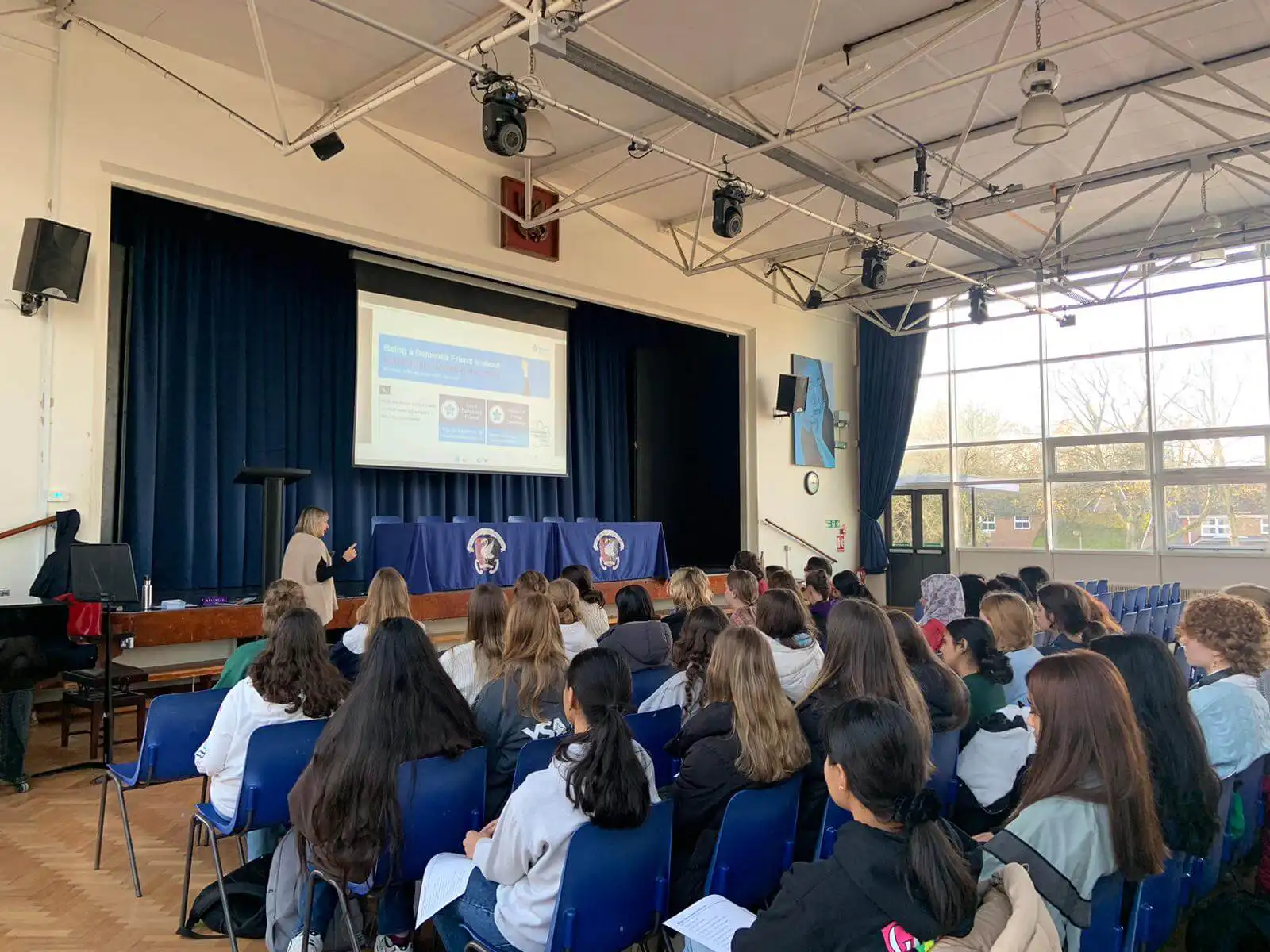
Ashridge carers are specially trained to understand the complexities of the conditions our clients have. The carers have individual specialities and several of our carers are specifically trained to understand the complexities of Parkinson’s Disease and its impact on the whole family. They provide thoughtful, respectful support, which is not intrusive or patronising, and they get to know the individuals really well so that they recognise changes in symptoms and can adapt care as required to better manage symptoms.
Visiting carers Angie and Liz, supported one gentleman, a retired professor, for many years with Parkinson’s care at home, building a strong relationship. This is a key differentiator for Ashridge Home Care which is built upon the principle that every person should receive personalised support in a professional manner for their specific situation.
Angie said: “I was fortunate enough to support J and his family for several years. Before I met him, I had very little knowledge of Parkinson’s, but I undertook training, did a lot of reading, and learned so much from J and his family themselves. I also received specialist training at Ashridge to support him as his condition progressed and more invasive tools and equipment were required.”
Angie recalls how important it was to focus on what J enjoyed: “He was always on the go, gardening, doing physio or walking. We joined his physiotherapy sessions online together, and I would revisit exercises with him later in the week, often with music he recognised from his singing classes. It helped him feel relaxed and confident.”
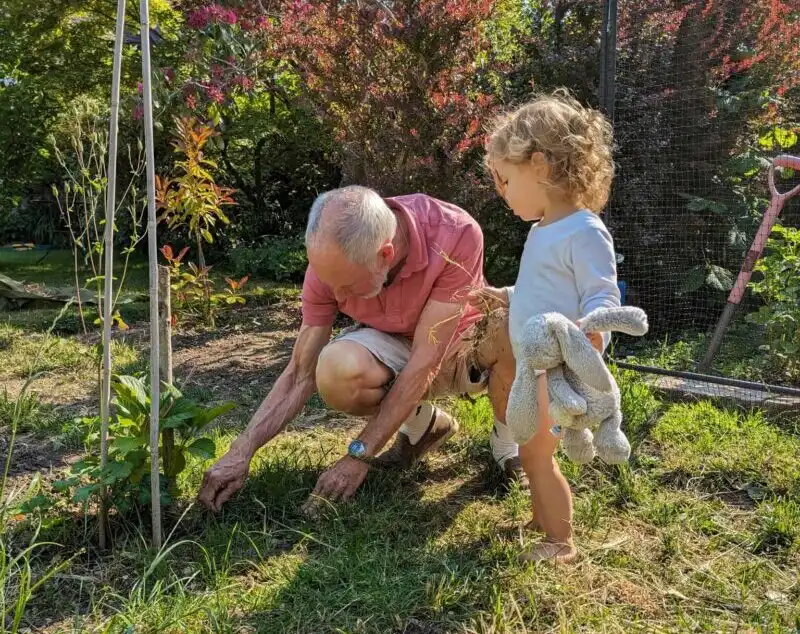
Their time together often centred around a shared love of gardening: “We would spend time every day outside; digging, raking leaves, planting, or tidying the garden. We even went apple and berry picking. One spring, we noticed frogs gathering by the pond, and I remember us trying (with mixed success!) to rescue a fish. Moments like that brought laughter.”
A Family Perspective on Home Care
His wife shared how vital this support has been: “Ashridge carers have helped me and my husband, for several years, gradually increasing the number of home visits as we needed more assistance. Angie and Liz have been wonderful, providing companionship for two of his favourite activities, gardening and looking through books. They also helped him with online Parkinson’s exercise classes, and were trained in how to manage his medication pump. It has been a great support to me to know that my husband was in safe hands, and having very positive interactions, while I was working from home, doing the shopping, or – occasionally – going on short work trips to London.
More recently, Angie and Liz have coped with efficiency, calmness, cheerfulness, and kindness, as his physical and cognitive needs increased. When he suddenly needed substantially more help Ashridge stepped up, rescheduling at very short notice, so that he could be looked after by a team of familiar faces. Angie and Liz’s practical and emotional support have been a vital part of making it possible to continue to look after him at home. I hope that other people with Parkinson’s will now benefit from the skills that Angie and Liz have developed while helping me to care for him. “

“When he suddenly needed substantially more help Ashridge stepped up, rescheduling at very short notice, so that he could be looked after by a team of familiar faces.”
Reflections of another experienced Ashridge carer
Another experienced Ashridge carer, Liz, reflects:
“No two people are the same, and no two days are the same. Symptoms vary so widely, it’s not always about tremors. In my experience, some can have a lack of facial expressions so they are hard to read. You have to be patient and it’s important to give people time to speak and express themselves without rushing them”
She continued: “I have been in care for more than 20 years and being in someone’s home environment really helps. It allows you to really understand the person. One gentleman I supported was a professor who loved his books and on good days, he would teach me things like I was his student. That always stayed with me: they are a person first, not defined by the condition.”
“It’s important to give people time to speak and express themselves without rushing them”
What Does Parkinson’s Home Care Include?
At Ashridge Home Care, our goal is to support each individual to live well with Parkinson’s. Our care can include:
- Expert, responsive care – trained carers who monitor symptoms and adapt support accordingly
- Meal planning and preparation – maintaining good nutrition and routine
- Medication management – collecting, administering, and monitoring effectiveness
- Help with daily tasks – from personal care to housekeeping
- Companionship – supporting social interaction, hobbies, and emotional wellbeing
Insights from Our Carers
We asked our carers to share their experiences supporting people with Parkinson’s Disease:
What’s most important when caring for someone with Parkinson’s?
Patience and consistency. Familiar routines reduce anxiety and provide a sense of control.
What challenges arise most often for people living with Parkinson’s Disease?
Mobility and medication timing. Every day can be different. Communication may take longer, and it’s important never to rush.
What might families not realise about Parkinson’s Disease?
Parkinson’s isn’t just physical – it can affect mood, sleep, confidence, and motivation. Emotional support is just as important as practical care.
What makes the biggest difference when caring for someone with Parkinson’s?
Time, dignity, and reassurance. Encouraging independence while offering one-to-one care and symptom management in a familiar environment helps people feel like themselves.
The Memory Café at The Chiltern Neuro Centre in Halton
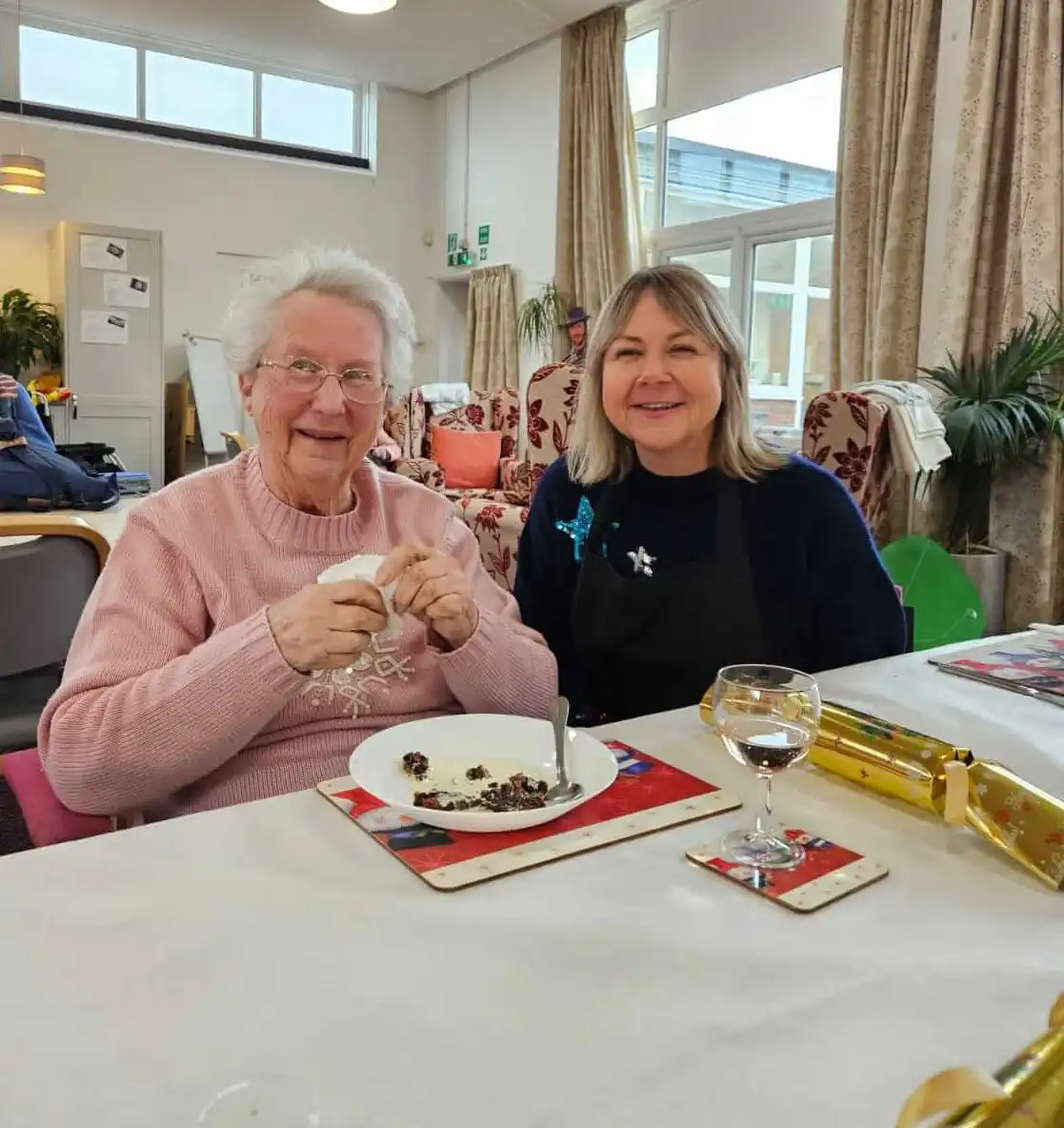
Ashridge Home Care has set up a Memory Café at The Chiltern Neuro Centre in Halton to support their members (as well as others in the area) who may have a Parkinson’s diagnosis and who also may be developing Dementia. Parkinson’s Disease can often be associated with Dementia. The Memory Café takes place every first Friday of the month 10-12 and everyone is welcome.. It is a FREE Café hosted by Ashridge Home Care and trained volunteers.
Useful Organisations
Parkinson’s UK offer more information and support, visit: https://www.parkinsons.org.uk/
Or find out more about the compassionate care services and family support we provide with Home Care for those living with Parkinson’s.