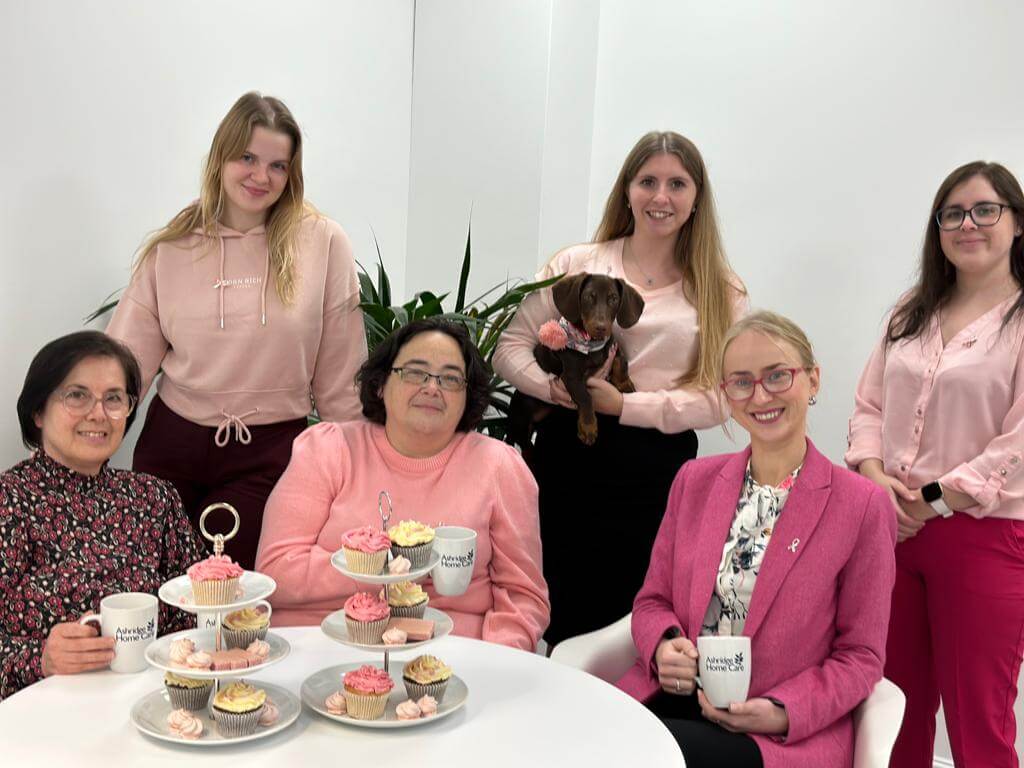


On World Hospice and Palliative Care Day (11th October), we are proud to shine a light on the importance of compassionate end-of-life care. At Ashridge Home Care we passionately believe that everyone deserves dignity, comfort, and support in their final chapter — and that home is the very best place for this care to happen.
To mark the day, we spoke with our End-of-Life Champion, Chloe, about her role and what end-of-life care at home truly means. The focus to enable a good death for people in the comfort of their own home, surrounded by familiar possessions and their loved ones, is not new to Ashridge. Chloe was appointed end of life champion 3 years ago and has dedicated her time and experience to be professionally trained and passing that knowledge on to the rest of the Ashridge team, introducing new methods to educate, not only carers, but to also enable difficult conversations with families at this crucial stage.
Chloe says: “Having open conversations is so important. Many people don’t know how to recognise when someone is at the end of life and we can look for signs to ensure they have a good death. It is key for me to ensure everyone has the death they would like and deserve. And I work with our carers so they can ask the right questions – Who they want there at the end, where they want to be, do they have a favourite meal, a last outfit, how do they want hair and make-up done. These small details are hugely important”
What does end-of-life care at home really mean?
End-of-life care is about much more than just medical support. It’s about understanding the emotional, physical, and spiritual needs of the person — and supporting their family every step of the way. Once the right questions have been asked Chloe can then tailor the care plan and ensure it reflects the individual’s wishes. Ashridge works closely with the community teams including Occupational Therapists (OT’s), physios, hospital discharge teams and in many cases hospice palliative care nurses. It is so important that during the palliative stage the communication is seamless, and everyone involved is fully informed
Q&A with Chloe: End of Life Champion
What inspired you to take on this role?
I saw families struggling to understand what was happening when their loved ones were dying. People were afraid to talk about it, and there wasn’t enough guidance readily available to them. I wanted to be that person who could talk about death, help families through it, and ensure that every person gets the peaceful, respectful ending they deserve. Since starting at Ashridge Home Care, I am proud to be able to provide this important support to our clients receiving end of life care.
What does “palliative care” mean to you?
It’s about supporting someone in a holistic way — physically, emotionally, psychologically — and letting them lead their journey. Some want to talk about death; some don’t. We listen, we adapt. It’s all about respecting their wishes.
How do you support families during the final stages?
With constant communication and presence. One family I supported had a loved one with advanced dementia. They didn’t know what the end stages would look like, so I explained what to expect, visited often, and was always available. That reassurance helped them cope. And it’s those personal touches that bring peace to families.
What do you find most rewarding?
When someone dies well — with dignity, with their wishes respected — and the family feels supported. I love seeing people achieve their final wishes, and knowing we helped make that possible.
What are common misconceptions about end-of-life care?
That you should force someone to eat or drink, or that giving end-of-life medication speeds up death. In reality, the body naturally shuts down — especially the digestive system — and forcing food can cause harm. Medications provide comfort, not harm.
What small things make a big difference?
The little details: seeing a pet one last time, having their garden tidied, or enjoying a favourite meal. One client’s wish was to try McDonald’s for the first time — we made that happen. Another didn’t want to leave home in her pyjamas, so we made sure she didn’t. It’s those personal touches that bring peace to families.
How do you support the carers through such emotional work?
They have my direct number and ongoing support. We have daily check-ins and follow-up after a client passes. If they need additional help, we refer them to our Employee Assistance Programme. Emotional wellbeing is just as important as training.
What advice would you give families facing end-of-life care?
Don’t be afraid to ask questions. It’s okay to feel scared. Talk about your loved one’s wishes — religious beliefs, personal preferences, anything that will make their journey more peaceful. I’ve seen families live with regret when they didn’t have those conversations.
What should people reflect on this World Hospice and Palliative Care Day?
Respect. Everyone’s beliefs and final wishes matter. For example, in some cultures, only family can prepare the body after death. Talking about death is okay. Being scared is normal — but don’t let fear stop you from having important conversations.
Why End-of-Life Care at home matters
End-of-life care isn’t just about clinical decisions — it’s about love, memory, and dignity. Being at home gives people the space to be surrounded by what they know and love: their family, their pets, their favourite chair, their garden.
At Ashridge Home Care, we’re proud to walk this path with our clients and their families — ensuring no one feels alone, and everyone feels supported.
If you’d like to learn more about our end-of-life care services, or speak to Chloe directly, please don’t hesitate to get in touch.