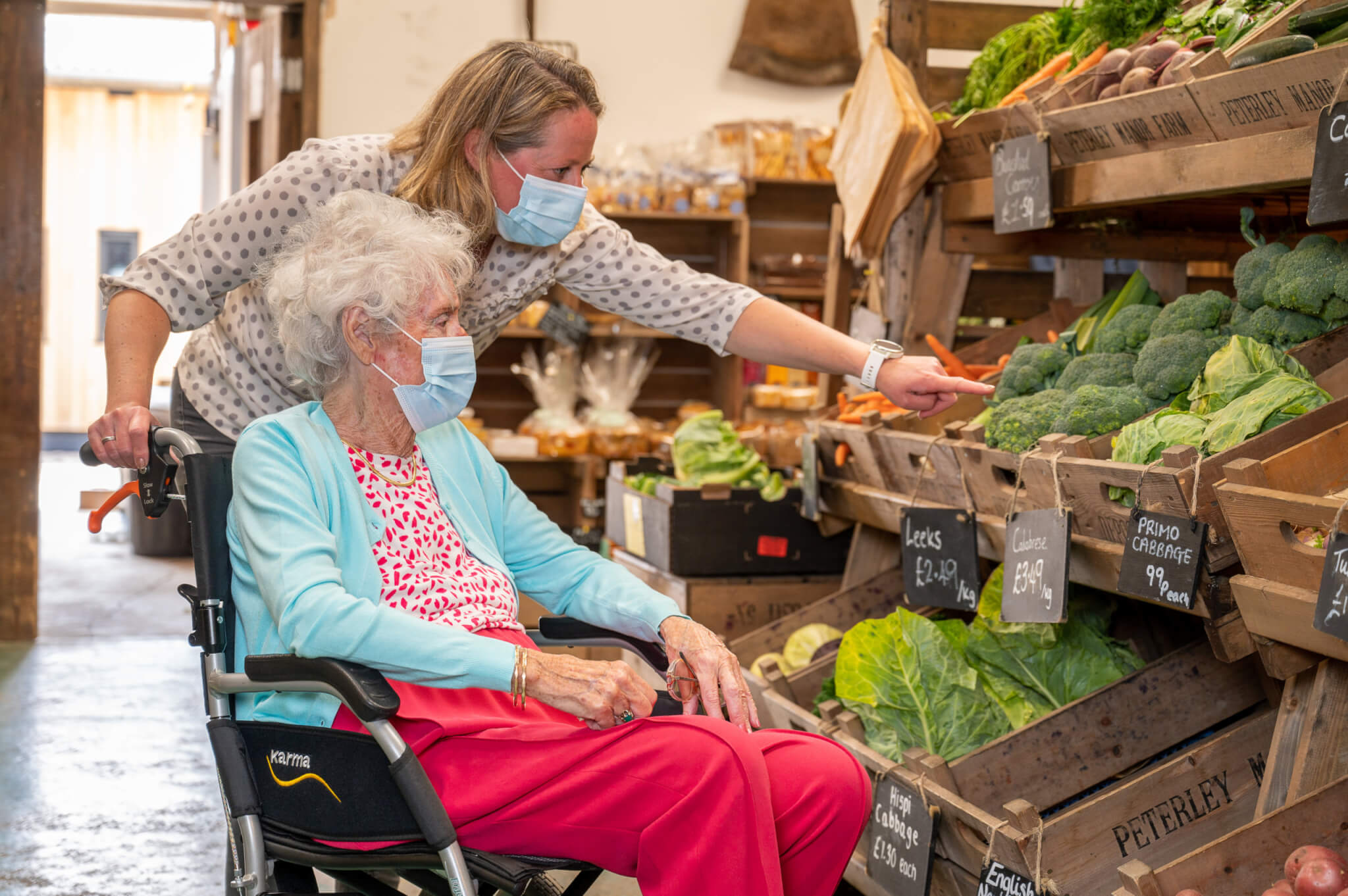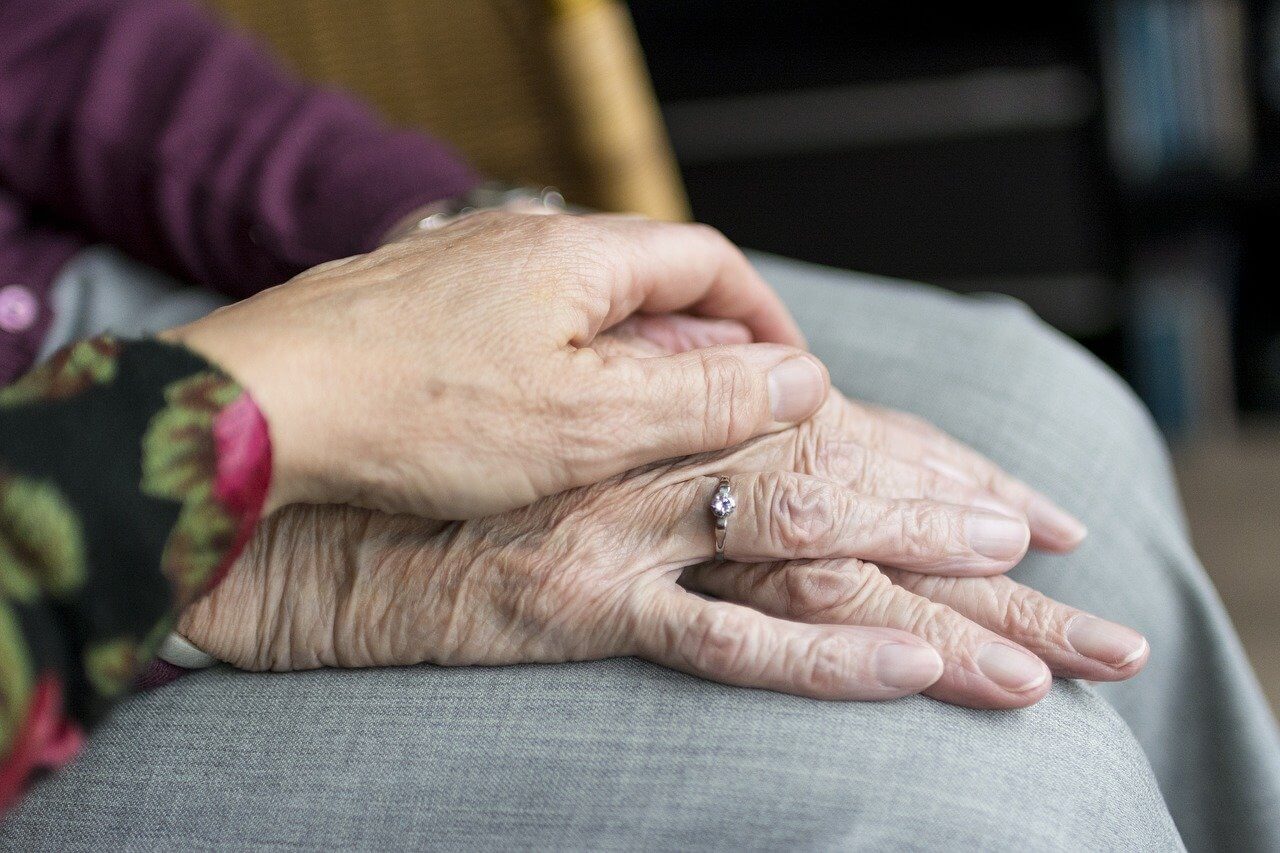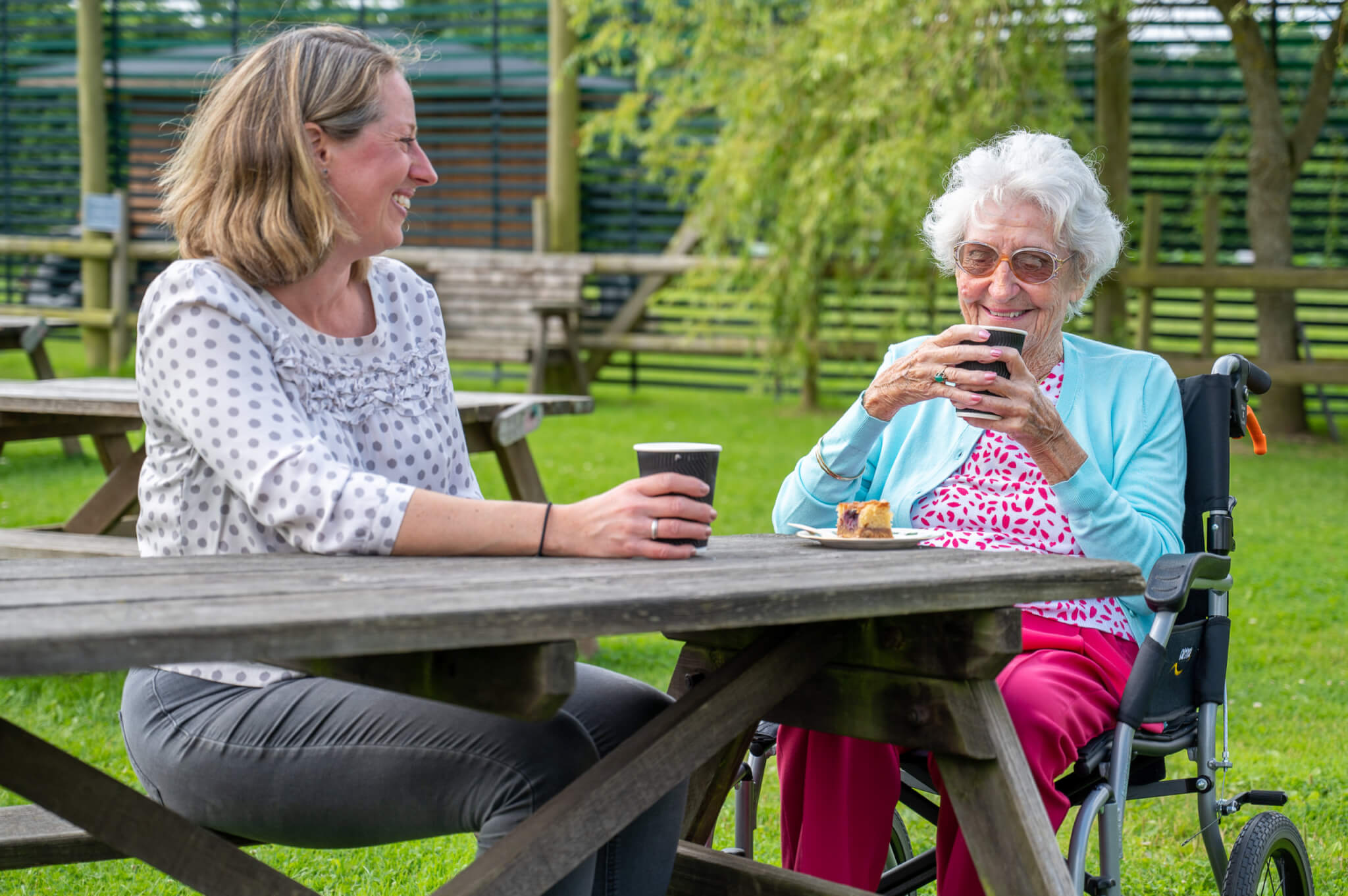


When families first explore care, they often feel overwhelmed, unsure, and anxious about making the “right” decision. At Ashridge Home Care, one of the people who helps turn those worries into clarity and confidence is Agata Stepien, our Client Services Manager.
Agata joined our team in February 2020, and as she marks her sixth year with Ashridge, her experience and deep understanding of how care works continue to bring reassurance to the families we support.
Her role has grown alongside the organisation, and she now oversees our client services, ensuring that care for every client is thoughtfully designed and delivered to the highest standard.
Known for her calm manner, attention to detail, and ability to explain care in a way that genuinely reassures families, Agata plays a central role in making sure our clients feel supported, understood, and happy.
We sat down with Agata to talk about what really matters when families begin their care journey.
Agata, what has kept you at Ashridge over the past six years?
What has always stood out to me is how genuinely person-centred Ashridge is — and that applies to both clients and the team. The values we talk about aren’t just words; they’re reflected in how decisions are made every day.
There is a real focus on doing the right thing for the client, even when that means taking extra time or thinking creatively.
I’ve also felt trusted and supported to grow in my role, which makes a huge difference. Knowing that quality, compassion, and integrity come first is what’s kept me here.
How would you describe the culture at Ashridge?
Supportive, respectful, and very human.
There’s a strong sense that everyone’s role matters, and that we’re all working towards the same goal — helping people remain safe, comfortable, and happy at home. Communication is open, and there’s a real willingness to listen, whether that’s to clients, families, or colleagues.
Our drive is always to deliver the kind of service we would want for ourselves or our own family members if we ever needed support at home. That mindset shapes how we make decisions, how we support our team, and how we care for our clients.
What are the first three steps you take to ensure a new client feels comfortable and safe?
The first thing we do is ask about their experience with care so far and what worries them most about having care. Everyone comes to us with different concerns, and it’s important we understand those from the very beginning.
We then talk about preferences, routines, and “the little things.” I always reassure clients that nothing is too small to mention. We want to get it right for them, and that means understanding how they like things done and how they want their care delivered.
Finally, we make it very clear that this is their home and they remain in charge. We are there to support them, not to tell them what to do or how to live their lives. I also spend time explaining who we are at Ashridge, our values, and how passionate we are about delivering person-centred care, on the client’s terms.
What is the one thing you wish every family knew before they started the care process?
I wish every family knew that they have options and choice.
Many people assume that care automatically means a care home, or that home care isn’t possible if needs are complex. In reality, home care can often be arranged even when care needs are significant, and it can be more affordable than people expect when compared with residential care.
Understanding that care can be flexible, personalised, and shaped around the individual can make the whole process feel much less daunting.
How do you match a specific carer to a client’s personality, not just their medical needs?
We always meet the client face to face and carry out personalised, in depth care needs assessment that allows us to find a perfect match for the client’s personality and their interests.
We also ask clients directly about the qualities and personality traits they would like in their carer. That way, we can make a match that feels natural and comfortable, not just clinically appropriate. The relationship between a client and their carer is incredibly important, and getting that right makes all the difference.
What is the most frequent question you hear from daughters or sons?
The question we hear most often is:
“What if mum or dad’s condition deteriorates — will the carer still be able to support them, and when would they need to move into a care home?”
Our carers are trained to support clients across all aspects of daily living — from companionship, engagement, and cooking, through to medication support and personal care. They help clients remain as independent as possible for as long as possible, while also monitoring their condition and adapting support as needs change.
When it comes to moving into a care home, our answer is always that there is no “right time” to move, as long as the person wants to remain at home. We can arrange occupational therapy assessments to make the home safer, and we can continue supporting clients at home, even as needs become more complex.
Our carers are also trained to provide compassionate, high-quality end-of-life care. This support is overseen by our Palliative Care Lead, who works closely with carers and other healthcare professionals, ensuring families feel supported throughout.
How do you help families navigate the difficult conversation of “I don’t want a stranger in my house”?
The most important thing is to acknowledge that this is a very real and understandable concern. We talk about it openly. The key is to acknowledge that this is a real concern and talk about it openly.
Many people have a negative picture of what live-in care looks like. Our role is to show that when done properly, live-in care can be one of the best care options available.
We reassure clients that they remain fully in control. It is their home, and they are in charge. The carer is there to support them, not to boss them around or take away their privacy. Care is delivered entirely on the client’s terms.
Unlike a care home, clients decide their routines and how they like things done. A simple example is mealtimes — whether they want the carer to eat with them or prefer to eat alone is completely their choice.
For those who find the decision particularly challenging, we also offer a two-week trial, allowing people to experience live-in care without feeling pressured into a long-term commitment.
Finally, what does ‘good care’ mean to you, personally?
Good care always starts with listening.
It’s about understanding the person behind the care needs — their routines, preferences, worries, and what helps them feel like themselves. When care is done well, it doesn’t take over someone’s life; it supports it.
For me, good care means asking the right questions: Is it safe? Is it effective? Is it genuinely caring? I’m incredibly proud that Ashridge is rated Outstanding in the Caring category by the CQC, as this reflects what matters most to us — kindness, respect, and compassion at the heart of everything we do.
Good care is also about flexibility and adaptability.
People’s needs don’t stay the same, and support should never feel fixed or rigid. What works today may need to evolve tomorrow, and care should be able to move with those changes, gently and at the right pace.
That might mean starting with visiting care and later moving to live-in support if needs become more complex, or simply adjusting the level of care as circumstances change. Care should grow with the person, not force them into a different way of living.
When care is flexible, it allows people to remain safe, comfortable, and in control — while giving families confidence that support will adapt as life changes.
We’re grateful for everything Agata has contributed over the past years and look forward to many more — supporting families, guiding important decisions, and delivering care that truly makes a difference.
If you’d like to learn more about our award winning services, or speak to Agata directly, please don’t hesitate to get in touch.